Old Eyebrow Tattoo Correction: Red, Orange, Grey Brows
Last updated: 25 Jun 2026
542 Views
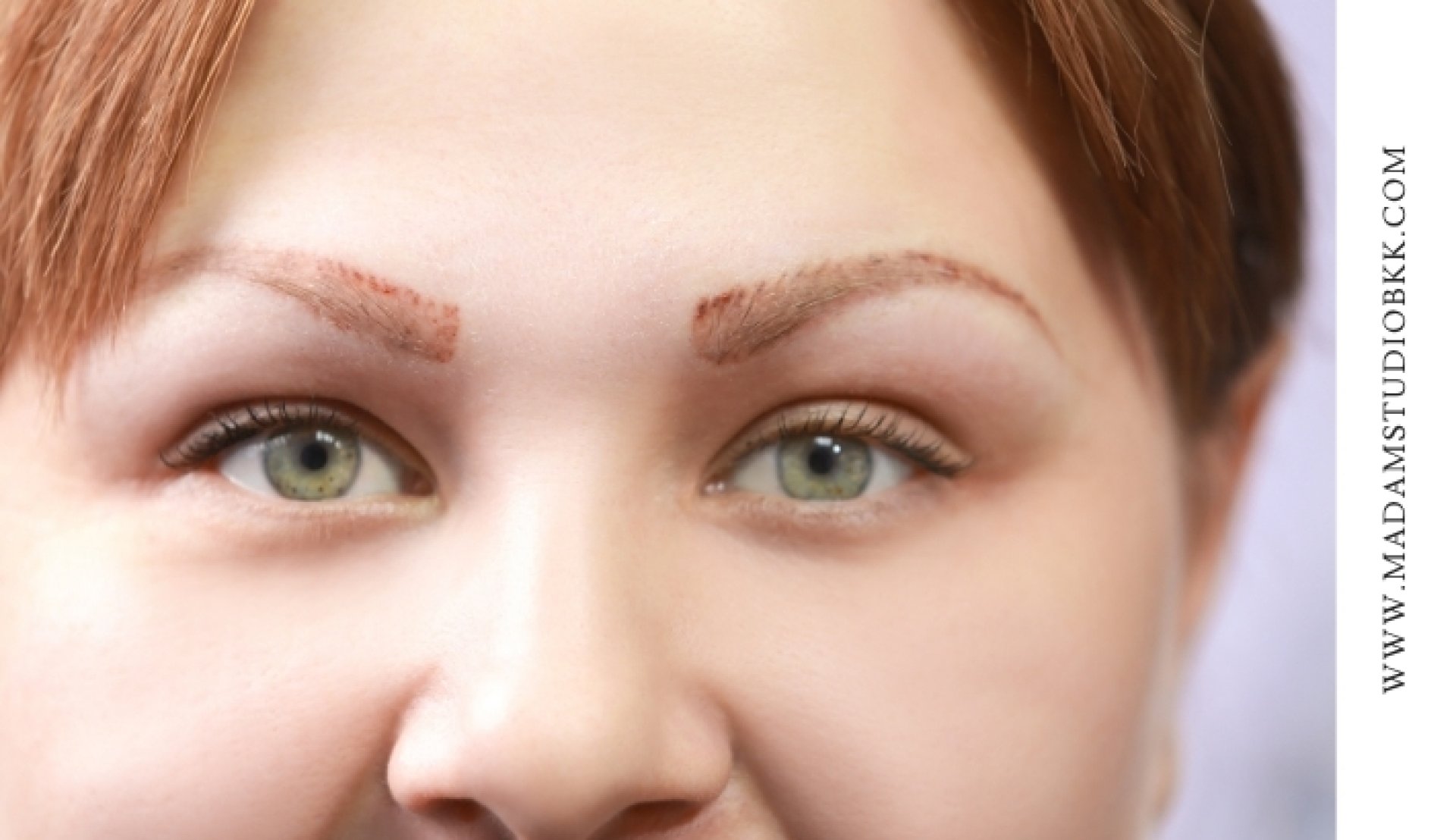
Can Old Eyebrow Tattoos Be Corrected? A Guide for Red, Orange, Grey, or Blurry Brows
For some people, it doesn’t start with the feeling of “I want new eyebrows.”
It starts with looking in the mirror and thinking:
“Why do my old brows not look right anymore?”
Brows that once looked beautiful may start turning red or orange over time.
For some people, crisp hair strokes fade into a blurry patch that looks like a shadow sitting on the brow.
For others, the brows start looking grey, dull, harsh, or overly dark—making the face look stronger or heavier than intended.
And once someone starts feeling unhappy with their old brows, the next question usually comes very quickly:
“Can I tattoo over them?”
“Can they be corrected right away?”
“Do I need removal first?”
The answer is: many old eyebrow tattoo cases can be corrected.
But it’s also important to say this clearly—not every case should be corrected by tattooing over the old brows right away.
In some situations, especially when the old brows are very dark, very blurry, or have multiple layers of old pigment,
the safer and more beautiful long-term option may be old eyebrow tattoo removal first, rather than simply adding more pigment on top.
So this article is not here to rush anyone into fixing their brows.
It’s here to help you pause and look at your old brows first—what exactly is the problem right now?
Because red old brows, orange old brows, grey old brows, and blurry old brows may look similar at first glance, but in reality,
they don’t happen for the same reason—and they should not be corrected the same way.
Why Do Old Eyebrows Turn Red, Orange, Grey, or Blurry?
Before thinking about eyebrow correction, the first thing to understand is not “Can it be fixed?”
It’s why your old brows changed in the first place.
Some people have a color issue.
Some have a shape issue.
Some have too much old pigment built up over time.
And some people have all of these problems in the same pair of brows.
The clearer the cause, the more accurate the correction plan will be.
1) Old brows start turning red or orange
This is very common in older eyebrow tattoo cases, especially brows that were done many years ago
or brows that have been touched up several times until the original pigment starts shifting away from its first color.
At the beginning, the brows may have looked like a natural brown.
But over time, the color may start showing brick red, warm orange-brown, or pinkish-red tones instead.
Common reasons include:
- The original pigment faded unevenly, leaving warmer tones behind
- The brows were touched up many times, causing old layers of pigment to show differently over time
- The pigment was implanted too deep, so the color shifts as time passes
- The pigment quality was poor, or the original color was not suitable for the skin tone from the beginning
Red or orange brows do not always mean the brows are “ruined” or beyond correction.
But they are a strong sign that color planning matters a lot in the next correction step.
If the correction is done too simply—by just choosing a new brown and tattooing over
the old color—the result may not come out as beautifully as expected, and in some cases,
it can make the brows look even heavier than before.
2) Old brows turn grey, dull, or harsh-looking
If your old brows start looking grey, dull, dark, or like there is a shadow sitting under the skin,
this kind of case needs to be looked at more carefully than just saying “the color faded.”
Because grey brows are not only about time.
They are often related to the original eyebrow tattoo technique as well.
One common reason is older tattooing techniques or work done by an inexperienced artist,
especially when the needle goes too deep and places the pigment deeper than the ideal skin layer.
When pigment is implanted too deeply, it does not fade softly and naturally the way well-placed eyebrow pigment should.
Instead, it has a higher chance of turning grey, dull, dark, or patchy under the skin.
As more time passes, the brows can start looking heavier, denser, and harder to correct.
Another important factor is the eyebrow pigment itself.
If the pigment used was not suitable for eyebrow work, or if the color was too cool-toned,
too dark, or not suitable for the skin’s undertone, it can also fade into grey, dull,
or dark tones over time—especially in cases where the brows have been touched up repeatedly over the old pigment.
Grey old brows often come from reasons like these:
- Older eyebrow tattoo techniques that focused too much on density and heaviness
- The artist implanted the pigment too deeply
- The pigment used was not suitable for the skin or not suitable for eyebrow tattoo work
- The pigment chosen was too cool-toned or too dark from the beginning
- The brows were touched up many times, creating heavy layers of built-up pigment
If your old brows are grey, dull, or very harsh-looking, this is not a case to rush into tattooing over by yourself.
Because the real question is not only “What color should go over it?”
You also need to know how deep the old pigment is, how dark it is, and how dense the old base has become.
3) Old brows become blurry, soft, and lose all the hair strokes
This is the kind of case where many people say exactly the same thing:
“They used to look like hair strokes, but now there are no strokes left—only a shadow.”
Some people once had crisp, defined hair strokes.
But after a few years, the brows turn into a blurry patch with no visible stroke pattern left.
From a distance, it still looks like there are brows there.
But up close, it no longer looks natural.
Common reasons include:
- The original strokes faded and spread over time
- The brows were tattooed over the same shape multiple times
- Skin type—especially oily skin—can make hair strokes lose sharpness more easily
- The original technique may not have suited the skin type
- The pigment may have been implanted too deeply, causing the strokes to lose definition completely
Blurry old brows do not automatically mean they cannot be corrected.
But it’s important to look closely at how blurry and how dense the old base is.
If the old brow base is still dark and packed with pigment, adding new hair strokes on top
may not make the brows look more natural the way you hope—because the new strokes can easily get lost in the old background.
4) The old brow shape no longer suits the face
Some people don’t really have a color problem at all.
Their main issue is simply the old brow shape.
For example:
- The tail of the brow sits too low
- The front of the brow looks too harsh
- The brows are too thick for the current look they want
- Or the old shape makes the face look too strong when they actually want something softer
Cases like this need more than just “I want a different shape.”
Because eyebrow correction is not like drawing a new brow on a blank sheet of paper.
It means redesigning brows on top of brows that already have an old outline, old pigment, and an old occupied space underneath.
In simple terms, no matter how beautiful the new design is, if the old brow still takes up a lot of space,
there will always be limitations to how much the shape can be changed.
So which old brows can be corrected, and which ones should be removed first?
The short answer is:
Many old brows can be corrected—but not every case should be corrected by tattooing over them.
A proper old brow assessment looks at many things together, not just whether you like the color or not. It usually includes:
- How dark the old pigment is
- Whether the old brow base is soft and blurry or dense and packed
- Whether the brows have been touched up multiple times
- How much space the old shape takes up
- And what the new goal actually is
Some cases can be corrected right away.
Some cases need a more careful step-by-step plan.
And some cases—especially old brows that are very dark, very blurry,
or have multiple layers of old pigment—are better removed first rather than tattooed over.
What kind of old brows can still be corrected right away?
In general, cases that still have a good chance of being corrected right away often look like this:
- The old pigment is not extremely dark
- The old brow base is not so dense that there is no room for a new design
- The old shape is still within a range that can be adjusted
- There are not too many layers of old pigment built up
- The new goal is not completely opposite from the original shape
In these cases, eyebrow correction may be done by:
- Adjusting the new pigment tone so it balances better with the old color
- Softening and redesigning the shape
- Choosing a technique that suits the old brow base, so the final result looks softer and more natural
If the old brows are very dark, the best option is often removal first
This is the point I want to emphasize the most, because it is one of the biggest reasons eyebrow correction
cases become much harder than they need to be.
A lot of people see old brows turning red, grey, orange, or simply looking wrong—and the next thought is immediately:
“Maybe I should just find a place to tattoo over them.”
But in reality, when old brows are very dark, very dense, or full of built-up pigment,
tattooing over them does not always solve the problem.
And in many cases, it actually makes everything more complicated.
If the old brow base is still very dark, clearly visible, patchy, or layered from multiple touch-ups,
the best solution is often not adding a new color on top.
It is removing the old brows first, so there is enough space for a new brow design to work properly.
Because if you force a correction over brows that are too dark, this is what often happens:
- The brows look even thicker and heavier than before
- The new pigment cannot truly cover the old color the way you hoped
- The new shape becomes limited by the old visible brow outline
- New hair strokes or a new design do not stand out because they get swallowed by the old brow base
- And in the end, the brows become denser and even harder to fix next time
What kind of old brows usually need removal first?
If old brows look like this, they often need to be assessed as a removal-first case rather than a tattoo-over case:
- The old brows are very dark and clearly visible even without makeup
- The old brows look like a dense patch with no room for new hair strokes
- The brows have been touched up many times and have several layers of pigment built up
- The old brows have turned dark grey, dark dull brown, or strong deep red
- The old shape is thick and takes up too much space to redesign beautifully
- The goal is to change very dark old brows into a soft, natural hairstroke look
Removal does not always mean removing everything in one session.
It often means gradually reducing the darkness of the old pigment, softening the heavy old outline,
and creating better conditions for a more beautiful new brow result later.
Don’t panic and rush to tattoo over old brows—because it can make things worse
I want to say this very directly because it happens so often.
Once old brows stop looking good, many people go into “fix it now” mode.
They rush to find a studio.
They rush to send photos.
They rush to ask, “Can this be covered?”
Because they want the problem gone as quickly as possible.
But in cases where old brows are very dark, very blurry, or layered with old pigment,
rushing to tattoo over them is not always the shortcut it seems to be.
Sometimes it is simply adding a new layer of pigment on top of an old problem—and making everything heavier than before.
Instead of the brows looking better, the result can become:
- Denser brows
- Heavier-looking brows
- A new shape that is harder to create
- A new color that still doesn’t look right
- And a much harder correction process the next time around
If a studio sees very dark old brows and quickly recommends tattooing over them right away—without discussing removal,
without explaining the limitations of the old brow base, and without properly assessing whether the old brows are simply too
heavy already—that is something worth thinking about carefully.
Because good eyebrow correction is not about forcing every case to end with more tattooing.
It’s about being honest about the real condition of the brows in front of you—knowing which brows can still be corrected,
which brows should be removed first, and which cases need a more careful plan to get the best possible final result.
Can corrected old brows still look natural again?
The answer is yes, in many cases.
But there is one thing that needs to be accepted first:
A correction case does not start from zero the way a brand-new brow case does
This is exactly why the result of an eyebrow correction case should not be expected
to look the same as a case where the client has never had their brows done before.
A correction case means working on brows that already come with old pigment, an old shape,
old depth, and the limitations of the existing brow area.
So the artist is not only thinking about “How do I make the brows look beautiful?”
They also have to think about:
- How to balance the old color
- How to work with or around the old brow space
- How to make the brows look softer without making them too dense
- And how natural the result can realistically look on the old base that is already there
That is why assessing an eyebrow correction case is always more important than assessing a completely new brow case.
What should you prepare before asking for an old brow correction assessment?
If you want a more accurate assessment, it helps to prepare these details:
1) Clear photos of your current brows from both sides
Take photos in natural light, without adding eyebrow makeup.
If possible, send both a straight-on angle and a slight side angle, because this helps show the real color,
the real blur, and the real shape of the old brows.
2) If you know what technique was done before, mention it
For example: microblading, hairstroke, shading, or how many touch-ups you’ve had.
This helps estimate how deep the old pigment may be and why the brows look the way they do now.
3) Mention when you last had your brows done
Brows done 6 months ago and brows done 4 years ago give very different information.
It also helps determine whether the pigment is still fading or whether the color has already settled into its current tone.
4) Be clear about the result you want
Do you want softer brows?
Do you want to correct redness?
Do you want a new shape?
Do you want the brows to look more natural?
Or do you want to start over completely?
The clearer the goal, the more precise the correction plan can be.
If old brows are red or very blurry, can hairstroke still be done?
The answer is in some cases, yes—but not in every case.
Hairstroke looks beautiful when the base allows the new strokes to stand out.
If the old brow base is too dark, too blurry, or too dense, the new strokes may not show clearly enough
or may not give the natural look you want.
So the real question is not simply:
“Can I do hairstroke?”
It’s actually:
“Is my current old brow base suitable for a hairstroke result?”
In some cases, the plan may need to be adjusted to a technique that suits the existing base better.
In some cases, the process may need to be done in stages so the final result can be more beautiful and safer for the skin.
Summary: Can red, orange, grey, or blurry old brows be corrected?
Yes, many cases can be corrected.
But the most accurate answer only comes after looking at the old color, the darkness, the blur, the old shape, and the new goal together.
Some cases can be corrected right away.
Some need a more careful plan.
And some cases—especially very dark brows or brows with heavy pigment buildup—are better removed first rather than tattooed over.
The most important part of old brow correction is not finding the fastest way to make the problem disappear.
It is making the right assessment from the beginning—understanding where the brows are now,
and what the best next step is to make them look beautiful again.
If you are currently dealing with old brows that have turned red, orange, grey, blurry,
or too dark and you are not sure whether they should be removed first or corrected right away,
sending clear photos for an assessment can help create a much more accurate plan—and can
also help you avoid making things harder by rushing into an unnecessary cover-up.
Old Brow Correction Consultation at Madam Studio Bangkok
At Madam Studio Bangkok, eyebrow correction cases are assessed by looking at the old color,
the darkness of the existing brow base, the old shape, skin condition,
and the client’s new goal—to decide which cases can be corrected right away,
which cases should be removed first, and which technique will suit the existing brows best.
If you have old brows that are turning red, orange, grey, blurry,
or if you want to soften the shape of your old brows, you can send photos for a consultation first to find the most suitable plan for your brows.
Related Content

Discover the key differences between Microblading and Hairstroke. This guide explains the tools, results, pros, cons, and how to choose the best brow technique for your skin and style
Achieving beautifully natural-looking eyebrows is a common aspiration. Eyebrow tattooing has become a popular method to attain perfect brows.

Wondering how long Nano Brows Bangkok really lasts? Read honest client reviews, aftercare tips, and what to know before booking your session.

